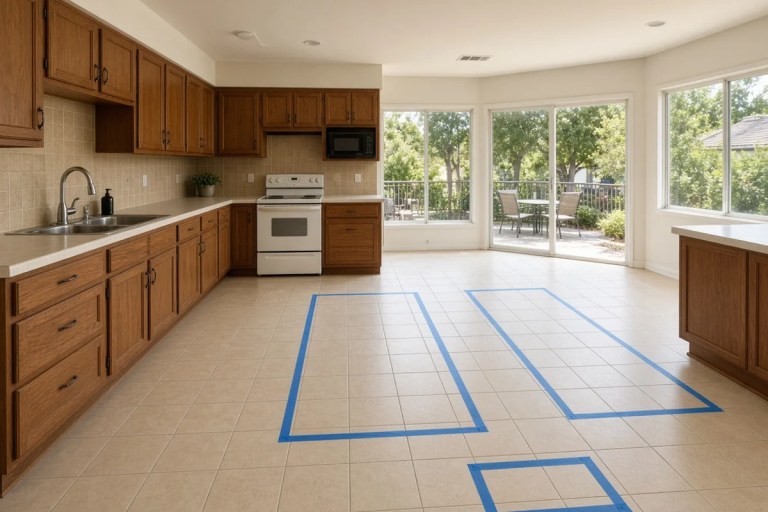

Compare what each proposal includes before you compare what it costs. Two remodeling proposals with very different totals often aren’t pricing the same project. One may include work the other leaves out, or set placeholder amounts for finishes that will change later, or assume design decisions that haven’t been made. Until each proposal describes the same scope, the bottom-line numbers can’t be compared.
This guide walks through how to read remodeling proposals side by side: the scope, allowances, exclusions, how changes and unknowns are handled, and the payment terms California law requires.
Why are two remodeling proposals so different?
Most of the difference usually comes from what’s being priced, not from one contractor being expensive and the other a bargain. The common reasons:
- Different scope. One proposal includes demolition, haul-away, permits and final cleaning. Another is silent on some of them.
- Allowances. One proposal sets low placeholder amounts for tile, fixtures or cabinets. Another prices actual selections.
- Owner-supplied materials. One assumes you’ll buy certain finishes yourself. Another includes them.
- Different assumptions about design. If the design isn’t finished, each contractor fills the gaps with their own guess.
- Different approaches to project management. Who coordinates trades, orders materials, schedules inspections and keeps you informed is part of what you’re buying, even when it isn’t a line item.
How do you compare remodeling proposals line by line?
| What to compare | What to look for | What should prompt a question |
|---|---|---|
| Scope of work | Each room and task described specifically, including demolition, haul-away, protection of the house, permits and cleanup | A short description like “remodel kitchen” with no detail |
| Materials | Brand, model, quantity, size or finish, or a clear statement that you’ll select or supply them | Generic terms with no specification |
| Allowances | Which items are allowances, the dollar amount for each, and what happens if your selection costs more | Several large allowances, especially for cabinetry |
| Exclusions | A written list of what isn’t included | No exclusions listed at all |
| Permits | Who pulls them and whether fees are included | Permits not mentioned |
| Schedule | Start and completion dates, and what they depend on | No dates, or dates with no conditions |
| Payment schedule | Each payment tied to specific work or materials | Large payments ahead of the work |
| Changes | How change orders are written, priced and approved | Changes handled verbally |
| Communication | How and how often you’ll be updated | Nothing described |
What is an allowance in a remodeling proposal?

An allowance is a dollar amount set aside for an item that hasn’t been selected yet, such as tile, a faucet or light fixtures. If your eventual choice costs more than the allowance, the difference is added to the contract. Allowances aren’t wrong in themselves, but a proposal built on low allowances can look less expensive than it will end up being.
When you compare, ask each contractor which items are allowances and how the amounts were chosen. Then price each proposal as if you’d selected what you actually want.
Vesta doesn’t use allowances for unselected finish materials as its standard approach. We would rather the selections be made and the scope reflect them. That’s part of why we prefer decisions to be settled before construction; see making selections before construction. On many of our projects, homeowners buy a number of finish materials directly from vendors. Where we have contractor or vendor discounts, we pass them through rather than marking those purchases up. When you compare a proposal like ours with one that includes those materials, the materials need to be accounted for on both sides.
Why can’t some contractors give a firm price right away?
A firm proposal depends on a defined project. When a project is well defined, a contractor can move to a proposal and agreement. When it needs more design first (a layout change, an addition, structural work), a firm number would be a guess. In those cases we may first provide a summary and a general ballpark, so you can confirm feasibility and direction before design is completed and a firm proposal is prepared.
A very precise price for a project that hasn’t been designed deserves a question: what is it assuming?
How should a proposal handle changes and unknowns?
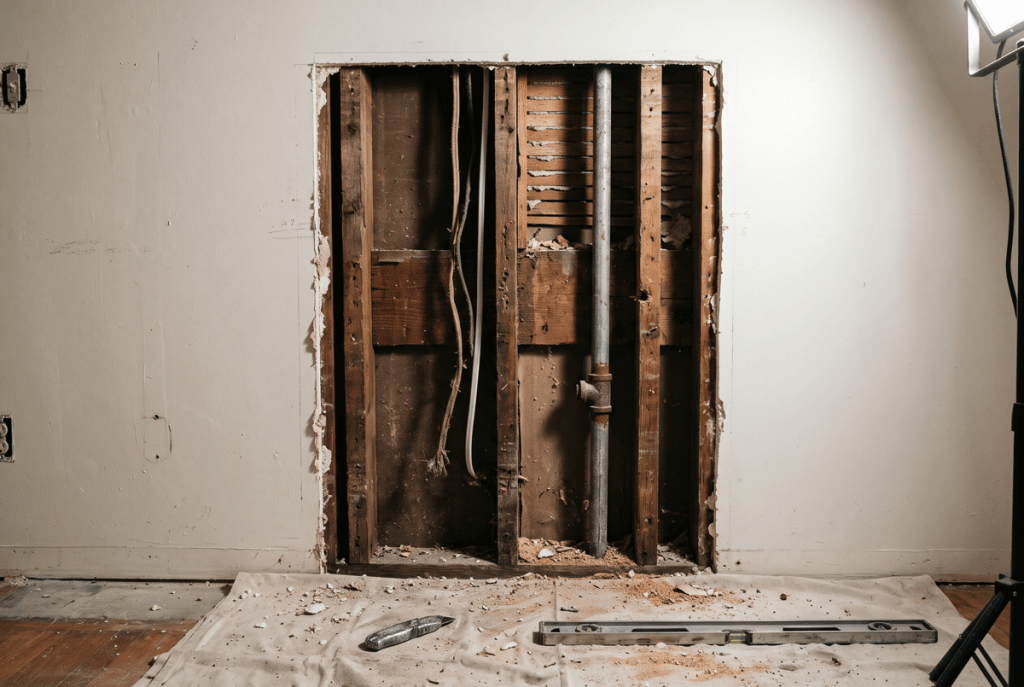
Ask each contractor how they handle three different situations, because they aren’t the same:
- Foreseeable risks. Conditions experience suggests may exist, such as an older electrical panel or a floor that may not be level. A careful contractor raises these before construction and explains how they would be handled.
- Truly concealed conditions. Things that couldn’t reasonably be confirmed until the house was opened. The proposal should explain how these are evaluated, priced and approved.
- Changes you request. Added or upgraded work you choose after the scope is set.
In our experience, roughly 90% of Vesta’s change orders come from homeowners deciding to add or upgrade work, rather than from unexpected concealed conditions. That’s our experience, not an industry statistic. It does suggest that the most useful protection against change orders is a complete scope and early decisions.
Whatever the cause, California requires any change to the contract price to be made with a written change order (CSLB).
What does California require in a home improvement contract?
The Contractors State License Board (CSLB) consumer guide sets out the essentials. Among them:
- Down payment. If a down payment is required before work starts, it can’t be more than $1,000 or 10% of the contract price, whichever is less. There’s no exception for special-order materials. The exception is for licensees with a blanket performance and payment bond on file with CSLB.
- Payment schedule. The contract must include a schedule showing each payment and the work, materials or services it covers. Payments can’t exceed the value of the work performed.
- Changes in writing. Changes to the contract price must be made by written change order, signed by both parties.
- Contract details. The contract should describe the work, the price, the payment schedule, who pulls permits, when the job begins and ends, and the contractor’s license number.
- Right to cancel. For contracts covered by the rule, the buyer has three business days to cancel, or five business days if the buyer is 65 or older. The right doesn’t apply when the contract is negotiated at the contractor’s place of business.
- Mechanics liens. Contractors must give a Mechanics Lien Warning. Subcontractors and suppliers send a Preliminary Notice, and homeowners can ask for lien releases as each portion of work is paid.
You can check a contractor’s license, and whether a blanket bond is on file, at cslb.ca.gov or by calling 800-321-2752.
What should you ask every contractor?
- Which items in your proposal are allowances, and how were those amounts set?
- What’s specifically excluded?
- Who pulls the permits, and are the fees included?
- Which existing conditions do you think are likely in this house, and how would you handle them?
- How are change orders written, priced and approved?
- How will you keep me informed during construction?
- What decisions do I need to make, and by when, for the schedule to hold?
- What does the payment schedule tie each payment to?
Pay attention to how the answers are given, not just what they are. The detail a contractor puts into a scope is a preview of how they’ll manage the project. We write detailed scopes so homeowners understand what they’re buying and what we’re responsible for delivering. During construction we use portal updates and daily logs, so you can see what happened and what’s next. You can read more about how we put together a scope, or see answers to questions like what causes change orders. If your project is large enough that you’re also weighing phasing a larger remodel, ask each contractor to price both approaches on the same scope.
Frequently asked questions
Should I just choose the lowest bid?
Only after confirming that the bids price the same scope, with comparable allowances and exclusions. A lower total that leaves out work, or relies on low allowances, often isn’t lower in the end.
How much can a contractor ask for upfront in California?
For a home improvement contract, a down payment can’t exceed $1,000 or 10% of the contract price, whichever is less, unless the contractor has a blanket performance and payment bond on file with CSLB.
Is it a red flag if a contractor won’t give a firm price before design?
Not necessarily. Without a defined design, a firm price is an assumption. A summary and ballpark to confirm feasibility, followed by a firm proposal once the project is defined, is a reasonable path.
Comparing proposals for your remodel?
If you’re weighing proposals for a substantial remodel and want to talk through scope, sequencing or what a proposal should include, we’re glad to help. Vesta Builders is a California licensed general contractor serving San Diego and surrounding communities.